



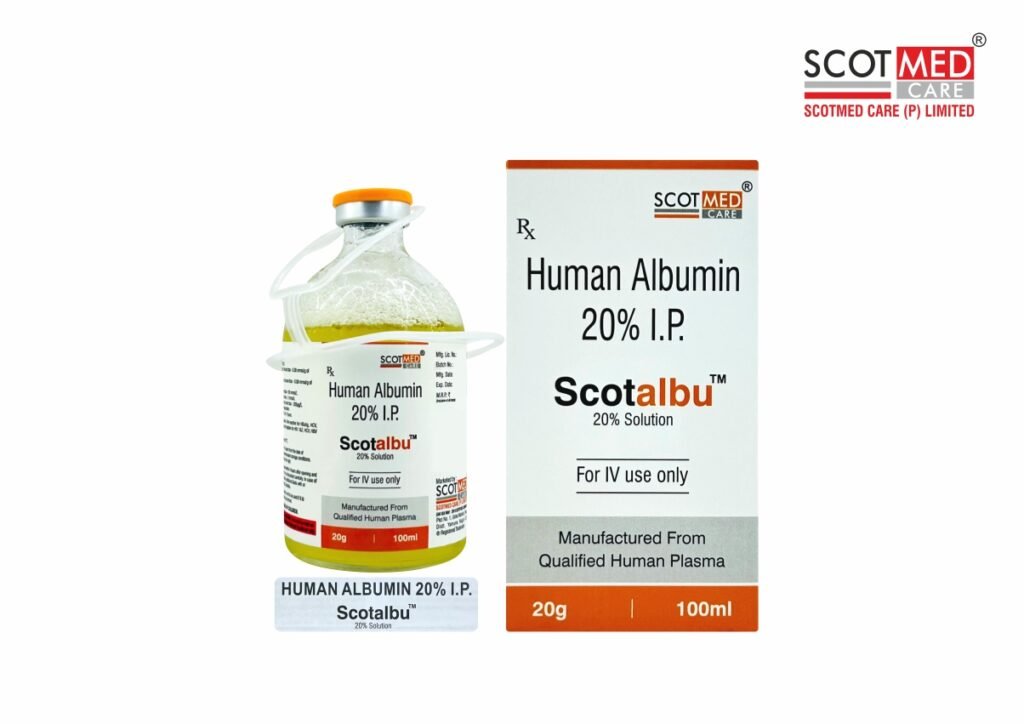
Albumin 20 Inj
Uses, Benefits, Administration & Important Information
Albumin 20 inj is a commonly searched term for a concentrated Human Albumin 20% Injection, a prescription plasma-volume-expanding medicine used in hospitals and critical-care settings. Human albumin is a naturally occurring protein present in blood plasma that plays an important role in maintaining circulating blood volume and fluid balance.
A 20% human albumin solution may be prescribed when a healthcare professional determines that restoration or maintenance of circulating blood volume or albumin levels is medically necessary. Current medicine references describe Human Albumin 20% products as prescription intravenous preparations used for conditions involving significant fluid or blood-volume loss and low albumin levels.

What Is Albumin 20 Inj?
Albumin 20 inj generally refers to an injectable or infusion preparation containing approximately Human Albumin 20% w/v. It is administered intravenously under medical supervision.
Albumin is one of the major proteins found in human plasma. One of its important physiological functions is helping retain fluid inside blood vessels. When albumin concentration or circulating volume becomes significantly reduced, a doctor may consider human albumin therapy depending on the patient’s clinical condition.
Several currently marketed products containing Albumin 20% w/v are available as prescription medicines.
Albumin 20 Inj Uses
Depending on the clinical situation and prescribing information for the specific product, albumin 20 injection may be used to help restore or maintain circulating blood volume.
Healthcare professionals may consider human albumin therapy in selected cases involving:
- Significant loss of circulating blood or body fluid
- Major surgery or trauma
- Severe burns
- Low blood albumin levels in appropriate clinical situations
- Certain cases involving abnormal fluid distribution
- Selected patients with ascites or other conditions where albumin replacement is medically indicated
Medical references for Human Albumin 20% describe its role in restoring circulating blood volume and supporting fluid balance in carefully selected patients.
How Does Albumin 20 Injection Work?
Human albumin helps maintain oncotic pressure, which contributes to keeping fluid within the vascular system.
When albumin 20 inj is administered intravenously, it increases albumin concentration within the bloodstream. This can help expand plasma volume and influence the movement of fluid between tissues and blood vessels.
The treatment effect and appropriate infusion rate depend on factors such as the patient’s medical condition, blood pressure, fluid status, laboratory results and response to therapy.
Human Albumin 20% Injection Administration
Human albumin 20% injection should be administered only by qualified healthcare professionals.
It is normally given directly into a vein as an intravenous infusion. The exact amount, infusion rate and duration are determined by the treating physician based on the patient’s condition.
Patients should not self-administer albumin injection. Current pharmaceutical guidance specifically states that Human Albumin 20% preparations are administered by a doctor or nurse.
Albumin 20 Inj in Critical Care
Human albumin preparations are frequently associated with hospital and critical-care use because fluid balance can become clinically important following serious illness, trauma, surgery, burns or substantial fluid loss.
However, albumin 20 inj is not a routine nutritional protein supplement. Its use depends on a physician’s assessment and the indication approved for the specific albumin product.
Albumin 20 Inj and Low Albumin Levels
Low serum albumin may occur in a variety of medical conditions. Nevertheless, a low laboratory albumin value alone does not automatically mean that albumin infusion is required.
Doctors consider the underlying cause, severity of illness, fluid status, circulation, kidney and liver function and other clinical factors before deciding whether albumin replacement is appropriate.
Therefore, patients should not purchase or request albumin 20 injection solely on the basis of a laboratory value without medical evaluation.
Albumin 20 Inj Storage
Storage requirements can vary by manufacturer and product, so the instructions printed on the original carton and vial must always be followed.
Some currently marketed Albumin 20% w/v injections specify refrigerated storage at 2°C to 8°C and advise against freezing.
Always check the individual product label because storage conditions may differ between brands and formulations.
Possible Side Effects of Albumin 20 Injection
As with other intravenous medicines, human albumin may cause unwanted effects in some patients.
Reported reactions can include symptoms such as:
- Flushing
- Fever
- Chills
- Nausea
- Rash or allergic reactions
More serious reactions require immediate medical attention, particularly difficulty breathing, significant swelling or cardiovascular symptoms.
Medical professionals monitor patients during administration and determine whether the infusion rate should be adjusted or treatment stopped if a reaction occurs.
Precautions Before Using Albumin 20 Inj
Before receiving albumin 20 inj, patients should inform their healthcare team about existing illnesses, previous reactions to albumin or blood-derived products, pregnancy or breastfeeding status, and all medicines or supplements they are taking.
Particular care may be required in patients in whom excessive expansion of circulating volume could create additional risk.
The prescribing doctor should make the final decision regarding treatment.
Albumin 20 Inj vs Human Albumin 20% Injection
Search terms such as:
albumin 20 inj
albumin 20 injection
albumin 20% injection
human albumin 20 injection
human albumin 20% injection
human albumin injection
are often used by people looking for information about concentrated human albumin intravenous products.
The exact formulation, volume, manufacturer, approved indication and prescribing instructions should always be verified from the individual product packaging.
Why Is Albumin Important?
Albumin is produced primarily by the liver and circulates in the bloodstream. It contributes to maintaining oncotic pressure and also transports various naturally occurring substances in the blood.
Because albumin affects fluid distribution within the body, medically administered human albumin preparations can be useful in carefully selected clinical circumstances where restoration of circulating volume or albumin is required.
Frequently Asked Questions About Albumin 20 Inj
What is albumin 20 inj?
Albumin 20 inj generally refers to a Human Albumin 20% intravenous injection or infusion used under medical supervision.
What is Albumin 20 Injection used for?
It may be prescribed to help restore or maintain circulating blood volume in appropriate clinical situations. Specific indications depend on the product and patient’s condition.
Is Albumin 20 Inj a prescription medicine?
Yes. Current Human Albumin 20% products are listed as prescription medicines and are intended for administration by healthcare professionals.
Can Albumin 20 Injection be taken at home?
It should not be self-injected. Administration should take place under the supervision of a qualified healthcare professional.
Is Albumin 20 Inj the same as Human Albumin 20% Injection?
The phrase albumin 20 inj is commonly used as a shortened search term for products containing Human Albumin 20%. The exact product concentration and formulation should always be confirmed from its label.
Conclusion
Albumin 20 inj is an important hospital-use prescription therapy containing concentrated human albumin. Human Albumin 20% Injection may help restore or maintain circulating blood volume and support fluid balance when clinically indicated.
Because albumin therapy directly affects circulation and fluid distribution, its administration, dosage and monitoring should always be managed by qualified healthcare professionals.